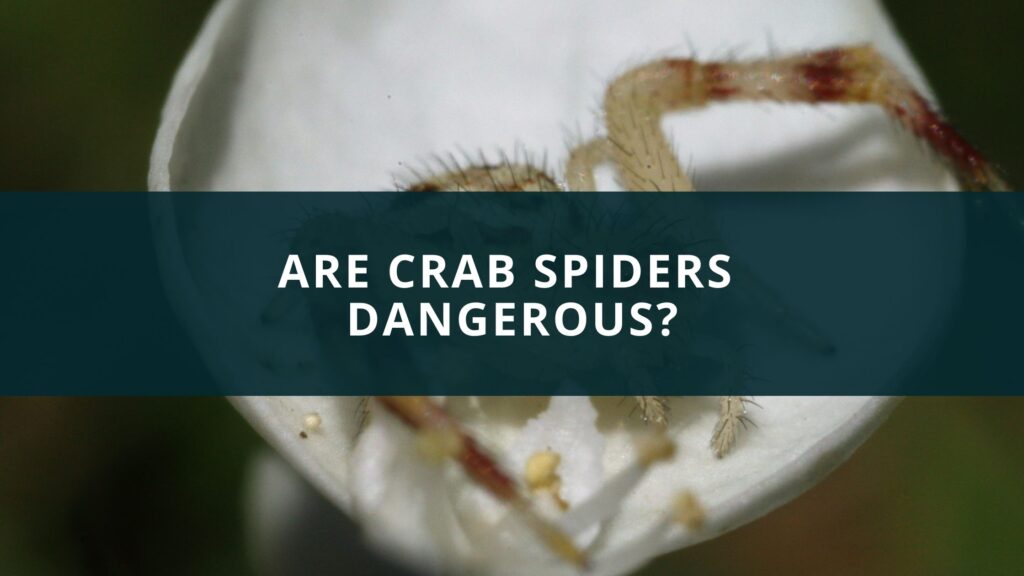
Their venom is not strong enough to cause serious harm to humans, but it can cause reactions such as swelling and itching. If you are bitten by a crab spider, it is best to clean the wound with soap and water and apply a cool compress to reduce swelling. You should also seek medical attention if you experience any unusual symptoms after being bitten.
Crab spiders are not particularly dangerous to humans, although their bites can be painful. These spiders are not aggressive and will only bite if they feel threatened. Their venom is not strong enough to cause serious harm, but it can cause reactions such as swelling and itching. If you are bitten by a crab spider, it is best to clean the wound with soap and water and apply a cool compress to reduce swelling.
Are spider crabs friendly?
Some people believe that spider crabs may be aggressive towards smaller creatures, such as fish or invertebrates. It is also worth noting that spider crabs have large claws which they use for defense and for scavenging food. Therefore, it is possible that they could pose a threat to humans if they felt threatened or if they were trying to scavenge food. However, there is no concrete evidence that spider crabs are aggressive towards humans or other animals. In fact, many people who have interacted with spider crabs report that they are generally gentle and non-aggressive creatures.
Overall, it is difficult to say definitively whether or not spider crabs are friendly. However, based on the available evidence, it seems likely that they pose no real threat to humans. If you do decide to interact with a spider crab, it is important to exercise caution and avoid provoking them.
Has a spider crab ever eaten a human?
No, it is not known to have happened. But if a spider crab were ever to eat a human, it would probably be because the human was already dead. Spider crabs are scavengers and will eat just about anything they come across, including carrion. So, if a spider crab found a dead human body, it would likely try to eat it.
However, spider crabs are not very big and their mouthparts are not well-suited for tearing flesh, so it is doubtful that they could do much damage to a human body. In all likelihood, a spider crab would simply give up and move on after unsuccessfully trying to take a bite out of a human corpse.
How big can Japanese spider crabs get?
Spider crabs are among the largest crabs in the world, with some specimens reaching sizes of up to 4.5 m (15 ft) across and weighing up to 19 kg (42 lb). The largest spider crab on record was found in Japan and measured an unbelievable 7.1 m (23 ft) from claw to claw! But how do these giant crustaceans grow to such massive proportions?
For one thing, spider crabs have a very long lifespan – up to 100 years in some cases! This gives them plenty of time to reach their maximum size. Additionally, they grow relatively slowly compared to other crabs, adding only about 2 cm (0.8 in) per year.
Finally, spider crabs live in deep waters where there is plenty of food available. They are opportunistic feeders and will consume just about anything they can find, from small fish to seaweed. Their diet and long life span help them reach impressive sizes!
What happens if a crab spider bites you?
If you are unlucky enough to be bitten by a crab spider, the first thing you will notice is intense pain in the area of the bite. This pain will quickly spread throughout your body, and you may start to feel dizzy and lightheaded.
In most cases, the symptoms of a crab spider bite will last for several hours and then start to improve. However, in some cases, the symptoms can persist for days or even weeks. If you develop any serious symptoms, such as difficulty breathing, you should seek medical attention immediately.
Do Florida crab spiders bite?
No, Florida crab spiders do not bite. However, they can be aggressive and may lunge at people if they feel threatened. Although they are not poisonous, their large fangs can cause a painful wounds. If you are bitten by a Florida crab spider, wash the area with soap and water and apply an antiseptic cream. Seek medical attention if the wound becomes infected or if you experience any allergic reaction to the spider’s venom.
How to Identify a Crab Spider?
There are many different types of crab spiders, and they can be difficult to identify. Here are a few tips to help you identify a crab spider:
- Look for the characteristic “crab-like” shape. Most crab spiders have a very distinctive shape, with long legs and a body that is flattened and wider than it is long.
- Check for the presence of webbing. Many crab spider species build webs in order to capture prey. so, if you see a spider with webbing, it’s likely a crab spider.
- Inspect the coloring. Crab spiders come in a wide range of colors, but they are often brightly colored or patterned. This can be helpful in identifying them.
How long can a crab live?
A crab can live for a very long time, especially if it is kept in captivity. The average lifespan of a crab in the wild is around 10 to 12 years, but some crabs have been known to live for up to 30 years. In captivity, crabs can live even longer, with some individuals reaching the age of 50 or more. Thus, there is no definitive answer to how long a crab can live; it depends on a number of factors including species, habitat, and care.
Do crabs drink water?
Crabs are primarily aquatic animals, meaning they live in or around water. This means that they are constantly exposed to moisture, whether it be from the air, the water itself, or their food. As a result, crabs have developed a number of ways to absorb moisture and keep their bodies hydrated.
One way crabs absorb moisture is through their gills. Crabs breathe by drawing water into their mouths and forcing it over their gills.